- Contact us: +968-96789948
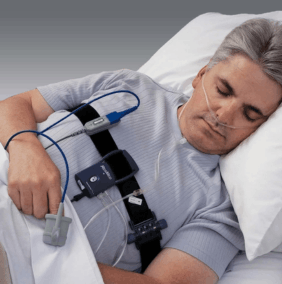
Detects Sleep Disorders – Helps identify sleep apnea, snoring, insomnia, and breathing problems.
Monitors Vital Signs – Tracks oxygen levels, heart rate, breathing, and body movement.
Accurate Sleep Reports – Provides clear sleep data for better diagnosis and treatment.
Easy to Use – Simple setup for both home sleep tests and clinic use.
Comfortable Design – Lightweight and comfortable for a smooth sleep study experience.
Supports Early Diagnosis – Helps detect sleep issues before they become serious.
Portable Device – Compact and easy to carry for convenient testing anywhere.
Reliable Sleep Analysis – Delivers precise sleep monitoring results for better health care.
FAQs
1. What is a Sleep Test?
A sleep test is a medical examination used to check sleep problems such as snoring, sleep apnea, insomnia, and breathing issues during sleep.
2. Why is a Sleep Test done?
A sleep test helps doctors identify sleep disorders, poor sleep quality, and breathing problems that may affect your health and daily life.
3. What are the symptoms that require a Sleep Test?
Common symptoms include loud snoring, daytime tiredness, breathing pauses during sleep, insomnia, headaches, and restless sleep.
4. How does a Sleep Test work?
During a sleep test, sensors monitor your breathing, heart rate, oxygen levels, and brain activity while you sleep.
5. Can I do a Sleep Test at home?
Yes, home sleep tests are available for certain sleep disorders like sleep apnea. They are simple, comfortable, and easy to use.
6. How long does a Sleep Test take?
Most sleep tests are done overnight and usually last 6 to 8 hours while you sleep naturally.
7. Is a Sleep Test painful?
No, a sleep test is completely safe and painless. Small sensors are attached to your body to record sleep activity.
8. What disorders can a Sleep Test detect?
A sleep test can detect sleep apnea, insomnia, restless leg syndrome, narcolepsy, and other sleep-related disorders.
9. How should I prepare for a Sleep Test?
Avoid caffeine, alcohol, and heavy meals before the test. Wear comfortable clothes and follow your doctor’s instructions.
10. Where can I get a Sleep Test?
You can get a sleep test at hospitals, sleep clinics, and diagnostic centers that provide sleep disorder testing services.


