
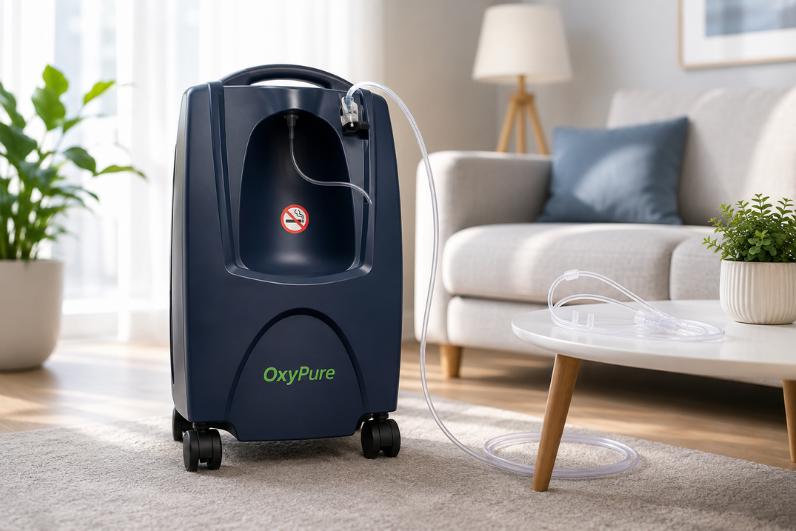
How Do Oxygen Concentrators Work? A Complete Guide
Breathing is one of the most important functions of the human body. Every cell in our body needs oxygen to work properly. For people with breathing difficulties or low oxygen levels, getting enough oxygen naturally can sometimes become challenging. This is where an oxygen concentrator can help. An oxygen concentrator is a medical device that provides oxygen support by taking air from the surroundings, removing unwanted gases, and delivering concentrated oxygen to the user. Unlike traditional oxygen cylinders, oxygen concentrators do not require refilling because they continuously produce oxygen using room air.
Today, oxygen concentrators are widely used in hospitals, clinics, and homes for people who need oxygen therapy. Understanding how oxygen concentrators work can help you choose the right device and use it safely. In this guide, we will explain everything you need to know about oxygen concentrators, their working process, benefits, types, maintenance tips, and frequently asked questions.
What is an Oxygen Concentrator?
An oxygen concentrator is a medical device designed to supply oxygen to people who have difficulty maintaining normal oxygen levels.
The air around us contains approximately:
-
78% nitrogen
-
21% oxygen
-
1% other gases
An oxygen concentrator collects this normal air and separates nitrogen from oxygen. After filtering the air, it delivers oxygen-rich air through a nasal cannula or oxygen mask.
Oxygen concentrators are commonly used by people with breathing-related conditions such as:
-
Chronic breathing problems
-
Lung diseases
-
Low blood oxygen levels
-
Respiratory support requirements
Oxygen therapy should always be used based on medical advice and recommended oxygen settings.
How Do Oxygen Concentrators Work?
An oxygen concentrator works by using a process called Pressure Swing Adsorption (PSA) technology. This technology separates oxygen from other gases in the air and provides purified oxygen for breathing support.
Here is the step-by-step process:
1. The Oxygen Concentrator Takes Room Air
-
The machine first pulls normal air from the environment using an internal compressor.
-
This air contains oxygen, nitrogen, dust particles, and other gases.
-
Before processing, the air passes through filters that remove dust and impurities.
2. The Compressor Pressurizes the Air
-
After collecting the air, the compressor increases air pressure inside the machine.
-
This pressure helps separate oxygen from nitrogen during the filtration process.
-
The compressor is one of the most important parts of an oxygen concentrator because it keeps the oxygen generation process running continuously.
3. Nitrogen is Removed Using Sieve Beds
-
Inside the oxygen concentrator, there are special filters called molecular sieve beds.
-
These sieve beds contain a material called zeolite, which absorbs nitrogen from the compressed air.
-
When nitrogen is removed, the remaining gas contains a higher concentration of oxygen.
4. Concentrated Oxygen is Collected
-
After nitrogen separation, the oxygen concentrator collects oxygen-rich air.
-
Most oxygen concentrators can provide oxygen purity levels of around 90% or higher, depending on the model and condition of the machine.
5. Oxygen is Delivered to the User
Finally, the purified oxygen passes through:
-
Oxygen tubing
-
Nasal cannula
-
Oxygen mask
The user receives a steady oxygen supply based on the flow rate prescribed by their healthcare provider.
This complete process repeats continuously while the oxygen concentrator is switched on.
Main Parts of an Oxygen Concentrator
Understanding the main components helps you know how the machine operates.
1. Air Filter
The filter removes dust and particles before air enters the machine.
2. Compressor
The compressor collects and pressurizes air for oxygen separation.
3. Molecular Sieve Beds
These remove nitrogen and help produce concentrated oxygen.
4. Oxygen Storage Tank
The tank stores oxygen before delivering it to the user.
5. Flow Meter
The flow meter controls how much oxygen is delivered.
6. Nasal Cannula or Mask
These accessories help transfer oxygen from the machine to the patient.
Types of Oxygen Concentrators
There are mainly two types of oxygen concentrators:
1. Home Oxygen Concentrator
A home oxygen concentrator is designed for regular indoor use.
Features:
-
Higher oxygen capacity
-
Continuous oxygen supply
-
Reliable performance
-
Suitable for long-term oxygen therapy
These machines usually need electricity to operate.
2. Portable Oxygen Concentrator
A portable oxygen concentrator is lightweight and designed for travel and outdoor use.
Benefits include:
-
Easy to carry
-
Battery-operated options
-
Compact design
-
Suitable for active lifestyles
Portable oxygen concentrators help users continue oxygen therapy while traveling.
Oxygen Concentrator vs Oxygen Cylinder: What is the Difference?
Many people compare oxygen concentrators with traditional oxygen cylinders.
Oxygen Concentrator
Benefits:
-
Uses surrounding air
-
No frequent refilling needed
-
Continuous oxygen production
-
Suitable for home use
-
Cost-effective for long-term use
Oxygen Cylinder
Features:
-
Contains stored oxygen
-
Requires refilling after use
-
Limited oxygen supply
-
Does not need electricity
Both options have different purposes, and the right choice depends on medical requirements.
Benefits of Using an Oxygen Concentrator
1. Continuous Oxygen Supply
Oxygen concentrators provide oxygen as long as they have a power source.
2. Easy to Use at Home
Modern oxygen concentrators are designed with simple controls and user-friendly features.
3. Lower Maintenance
Compared to oxygen cylinders, concentrators need less handling and storage management.
4. Portable Options Available
Portable oxygen concentrators make traveling easier for people who need oxygen support.
5. Long-Term Value
Since oxygen concentrators do not require frequent refilling, they can be a practical choice for long-term oxygen therapy.
How to Use an Oxygen Concentrator Safely
Follow these safety tips:
-
Keep the machine in a clean area
-
Avoid blocking air vents
-
Clean filters regularly
-
Keep away from flames and smoke
-
Use the prescribed oxygen flow setting
-
Check tubing and accessories regularly
Always follow the manufacturer’s instructions and healthcare provider’s advice.
How Long Can an Oxygen Concentrator Run?
Many home oxygen concentrators are designed for long operating hours. Some models can work continuously when properly maintained.
The running time depends on:
-
Machine quality
-
Maintenance
-
Power supply
-
Manufacturer recommendations
Regular servicing helps improve the lifespan of the device.
How to Maintain an Oxygen Concentrator?
Proper maintenance keeps your oxygen concentrator working effectively.
Important maintenance steps:
-
Clean external filters regularly
-
Replace accessories when required
-
Keep the machine dust-free
-
Check oxygen tubing condition
-
Schedule professional servicing
Good maintenance improves performance and safety.
Choosing the Right Oxygen Concentrator in Oman
When selecting an oxygen concentrator, consider:
-
Oxygen flow requirement
-
Home or travel usage
-
Machine size
-
Battery requirements
-
Noise level
-
Brand quality
-
Service availability
ROYAL MEDICAL & EQUIPMENT TRADING provides quality oxygen concentrators in Oman, including home and portable oxygen solutions to support different patient needs.
Frequently Asked Questions About Oxygen Concentrators
1. How does an oxygen concentrator make oxygen?
An oxygen concentrator takes normal air, removes nitrogen using filtration technology, and provides concentrated oxygen.
2. Does an oxygen concentrator need oxygen refilling?
No. Oxygen concentrators do not require refilling because they create oxygen from surrounding air.
3. Can I use an oxygen concentrator at home?
Yes. Home oxygen concentrators are designed for comfortable oxygen therapy at home.
4. Does an oxygen concentrator need electricity?
Most home oxygen concentrators require electricity. Portable models usually include rechargeable batteries.
5. Is oxygen from a concentrator safe?
Yes. When used correctly and maintained properly, oxygen concentrators provide safe oxygen support.
6. How often should I clean my oxygen concentrator?
External filters and accessories should be cleaned regularly according to manufacturer guidelines.
7. Can I travel with an oxygen concentrator?
Yes. Portable oxygen concentrators are designed for travel and mobility.
8. How many years does an oxygen concentrator last?
With proper maintenance, many oxygen concentrators can last several years.
9. Can an oxygen concentrator run all night?
Many home oxygen concentrators are designed for overnight use when recommended by a healthcare professional.
10. Where can I buy an oxygen concentrator in Oman?
You can contact ROYAL MEDICAL & EQUIPMENT TRADING for trusted oxygen concentrators, accessories, and support in Oman.
Conclusion
Oxygen concentrators have changed the way oxygen therapy is provided by offering a convenient and continuous oxygen supply. They work by collecting room air, removing nitrogen, and delivering concentrated oxygen to support breathing needs.
Whether you need a home oxygen concentrator or a portable oxygen concentrator, choosing a reliable device is important for comfort and performance.
For quality oxygen concentrators in Oman, CPAP machines, respiratory equipment, and medical supplies, ROYAL MEDICAL & EQUIPMENT TRADING provides trusted solutions and professional support.